From Grandma's Kitchen to a Six-Figure Brand: How Balkan Americans Are Cashing In on Culture
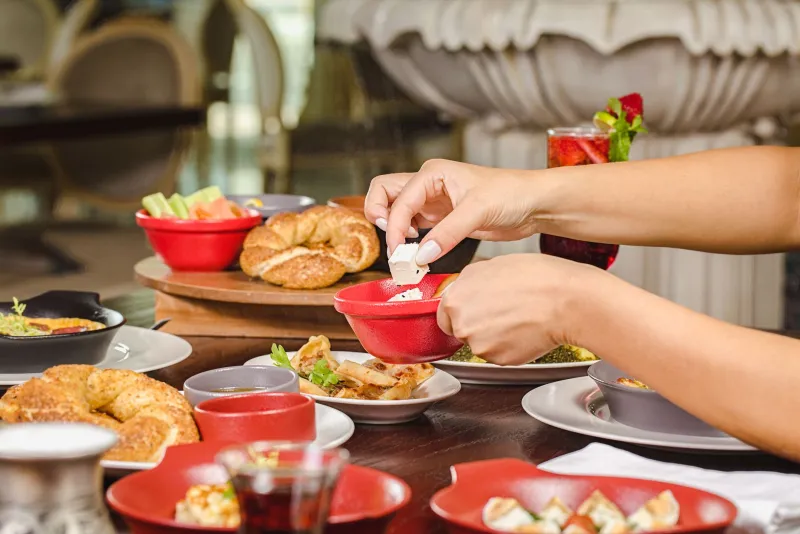
There's a moment a lot of Balkan Americans know well. You bring something to a potluck — ajvar, maybe, or a tray of baklava that's slightly different from the Greek version your coworkers already know — and suddenly everyone wants to know where they can buy it. For a long time, the answer was "you can't, really." Now? That answer is becoming a business plan.
Across the US, a younger generation of Balkan Americans is doing something their parents never quite had the runway to attempt: they're turning cultural fluency into actual revenue. Not just as a side hustle to keep the lights on, but as full-scale brands, agencies, and companies with real traction. And the secret ingredient, more often than not, is the exact thing that used to make them feel like outsiders.
The Advantage You Can't Learn in Business School
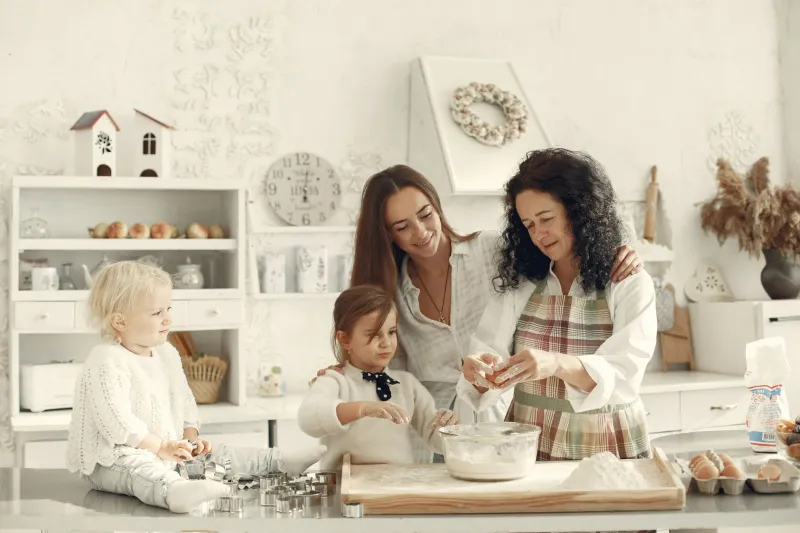
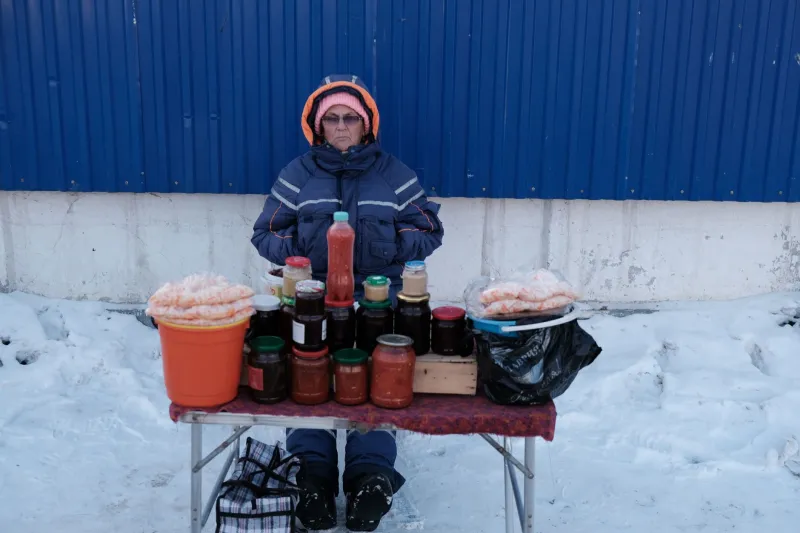
When Milica Đorđević launched her Balkan-inspired condiment line out of her apartment in Chicago three years ago, she wasn't thinking about market gaps or brand positioning. She was just annoyed that she couldn't find decent ajvar at Whole Foods. "I kept buying these jarred versions that tasted like tomato paste with an identity crisis," she laughs. "I knew what the real thing tasted like. My baka made it every fall. So I started making it myself, and then my neighbors started asking for jars."
What began as a farmers market hobby turned into a small-batch brand now carried in specialty grocery stores across the Midwest, with a waitlist for her seasonal roasted pepper varieties. The cultural knowledge she grew up treating as background noise — the specific char on the peppers, the ratio of garlic, the way the texture should feel — became her actual competitive advantage.
This is the story playing out across industries. Young Balkan Americans are realizing that the things they absorbed growing up — the food, the music, the aesthetic sensibilities, the community dynamics — aren't just personal history. In a market hungry for authenticity, they're a differentiator.
Events That Feel Like Home (Even in New Jersey)
The event planning world is another space where Balkan Americans are quietly dominating. Ask anyone who's tried to throw a Balkan-style wedding or birthday celebration in the US without community connections, and they'll tell you: it's a logistical nightmare. Finding the right music, the right catering, the right vibe that doesn't feel like a generic "Eastern European" package put together by someone who Googled it — that's genuinely hard.
That's exactly the problem that Adnan Kovačević set out to solve when he started his events company in the New York metro area. His pitch is simple: he plans celebrations that actually feel like the real thing, not a cultural costume. "People come to me because they want their kid's graduation party to feel like something their family back home would recognize," he says. "That means the music has to transition correctly. The food has to land in the right order. There's a whole choreography to it that you only understand if you grew up in it."
His client base has grown well beyond the Balkan diaspora. Second-generation clients bring in non-Balkan partners, and word spreads. Now he's regularly booked by clients who have zero Balkan heritage but fell in love with the energy of a celebration they attended and want to recreate it for their own events.
The Diaspora Marketing Wave
Maybe the most interesting corner of this entrepreneurial boom is in marketing and consulting. As American brands increasingly try to reach diaspora communities — not just Balkan, but across the board — there's a growing demand for people who can do that authentically. And a lot of those brands are getting it embarrassingly wrong when they try to go it alone.
Several Balkan American creatives have built consulting practices specifically around this. They advise brands on how to show up in diaspora spaces without coming across as tone-deaf, help with social media content that resonates with first- and second-generation audiences, and sometimes just serve as a cultural translator between corporate marketing teams and communities that have finely tuned radar for inauthenticity.
"There's a real skill in knowing what lands and what doesn't," says one consultant who works with food and lifestyle brands. "Diaspora audiences are not monolithic, and they're not naive. You can't just slap a flag emoji on something and call it representation. People see through that immediately."
The demand for this kind of nuanced cultural fluency is only growing as US demographics continue to shift and brands scramble to connect with audiences they've historically ignored.
Fashion With a Story
On the fashion side, a handful of designers and small labels are weaving Balkan textile traditions into contemporary American streetwear and slow fashion. Think embroidery patterns lifted from regional folk costumes showing up on hoodies and tote bags — but executed with enough design sophistication that they work in a Brooklyn boutique as easily as they'd work at a family gathering in Sarajevo.
The appeal is partly aesthetic and partly emotional. For diaspora buyers, there's something powerful about wearing a piece of your heritage in a form that fits your actual life. For non-Balkan buyers, it's distinctive and carries a story. In a fashion landscape where "heritage" branding is everywhere, the founders who actually have that heritage have something genuine to offer.
What's Driving the Boom
A few things seem to be converging right now. Social media has made it dramatically easier to find and build niche audiences — a Balkan food brand doesn't need to be in every Target to be viable; it needs to find its people, and platforms like Instagram and TikTok make that possible. The broader American cultural moment, which has increasingly celebrated hyphenated identities rather than pressuring people to flatten them, has also created more space for this kind of entrepreneurship to feel legitimate rather than niche.
And then there's something more personal. A lot of the founders driving this wave are in their late twenties and thirties — old enough to have grown up navigating two worlds, young enough to have come of age in a digital economy where building something from scratch feels genuinely possible.
For many of them, the business isn't just about money. It's about taking the part of their identity that used to feel like a complication and turning it into something they're proud to put their name on.
Baka would probably say she saw this coming all along.