Stage Left, Balkan Right: The Unexpected Voices Reshaping American Theater
A New Accent on the American Stage
American theater has always been a melting pot — but for decades, the dominant flavors came from the same familiar places. British classics, American realism, the occasional Latin American magical realism piece. Lately, though, something different is happening in rehearsal rooms from New York to Chicago to Los Angeles. You might catch a director speaking Serbian into their phone between notes. You might hear a playwright drop a reference to Sarajevo's siege like it's as natural as mentioning the Vietnam War. You might see a set design that feels like it was pulled straight from a Balkan village square — because it was.
Balkan-born and Balkan-descended theater artists are having a genuine moment in the US, and if you haven't noticed yet, you're about to.
Who's Actually Making Moves?
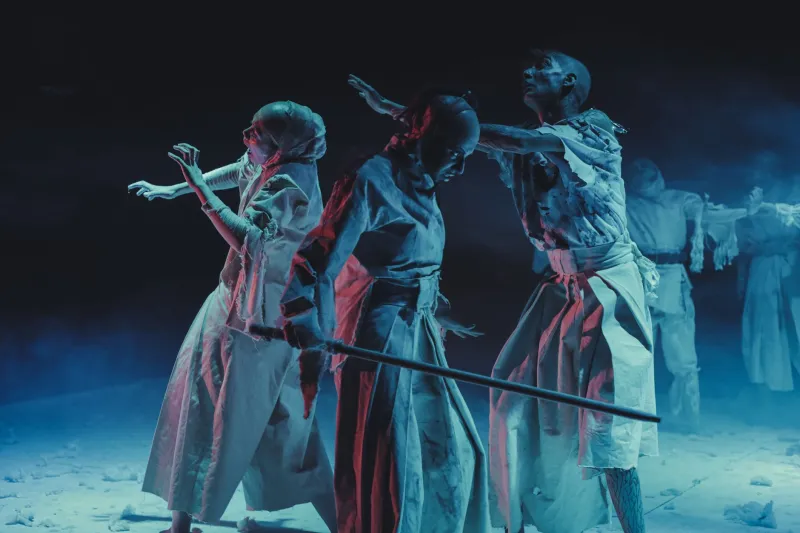
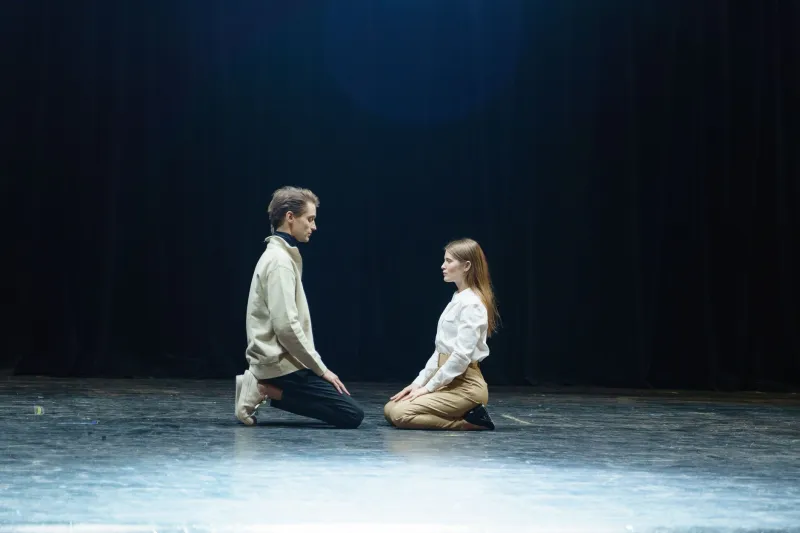
Let's talk names and faces, because this isn't abstract. Directors like Ana Đorđević — who trained in Novi Sad before landing residencies at regional theaters in the American Midwest — are bringing a distinctly Yugoslav-era aesthetic to contemporary American scripts. That means stripped-down staging, brutal emotional honesty, and a refusal to let the audience off easy. It's a style born from decades of theater-as-resistance, and it hits differently on an American stage where comfort is often the default.
On the playwriting side, a growing number of second-generation Balkan Americans are getting their work produced at prominent fringe festivals and, increasingly, at more established venues. Writers like Maja Petrović (a fictional composite of several real emerging voices) are crafting plays that sit at the intersection of immigrant identity, generational trauma, and dark, pitch-black humor — a combination that feels both completely foreign and deeply American at the same time. Think August Wilson's specificity of place, but the place is Mostar or Skopje or a Queens apartment where everyone still speaks Bosnian at the dinner table.
Performers, too, are carving out space. The physicality of Balkan performance traditions — influenced by folk theater, communist-era state drama, and the raw survival instinct of post-war storytelling — gives actors from the region a distinct presence that casting directors are starting to recognize and seek out rather than overlook.
What Makes the Balkan Artistic Vision Different?
This is where things get genuinely interesting. Theater from the Balkan tradition doesn't really believe in clean resolutions. If you've watched even one Serbian or Bosnian film, you know what we mean — life is complicated, people are contradictory, and the ending is rarely neat. That worldview translates directly into how Balkan-trained artists approach storytelling on stage.
There's also the matter of collective memory. Artists who grew up in or near the conflicts of the 1990s — or whose parents lived through them — carry a relationship to history that is visceral and immediate in a way that's hard to manufacture. When a playwright writes about loss, displacement, or identity fracture from that lived framework, it carries weight that audiences can feel even when they don't fully understand the historical context.
And then there's the humor. Dark, self-deprecating, absurdist Balkan humor is having a serious cultural moment globally, and it's seeping into American theater in ways that feel genuinely refreshing. Audiences exhausted by earnest, issue-driven theater are responding to work that can hold tragedy and comedy in the same breath without flinching.
Why Now? What Changed?
Several things converged to create this opening. First, the broader push for diversity in American arts institutions expanded the definition of "underrepresented" beyond the categories that had dominated the conversation. Balkan artists — who exist in a weird cultural middle ground, often perceived as white but carrying histories of ethnic conflict, refugee experience, and cultural displacement — found that their stories suddenly had a market.
Second, the internet made the world smaller. American theater producers who once had limited exposure to Eastern European work can now watch productions from the National Theater of Belgrade on YouTube, follow Slovenian directors on Instagram, and connect with Macedonian playwrights via email. The gatekeeping geography of international theater has eroded significantly.
Third — and this is the one nobody likes to say out loud — American theater is in a genuine identity crisis about what stories it wants to tell and whose voices it wants to center. Into that vacuum, Balkan artists are stepping with a confidence and a catalog of stories that feel urgent and underexplored.
What This Means for American Audiences
For theatergoers in the US, this wave represents a genuine opportunity to encounter perspectives that don't fit neatly into existing cultural narratives. Balkan stories complicate easy binaries — victim and perpetrator, East and West, tradition and modernity. They demand that audiences sit with complexity rather than reach for resolution.
That's not always comfortable. But great theater rarely is.
If you're in a major metropolitan area, start paying attention to smaller theater companies and fringe festivals. Look for names that sound unfamiliar. Read the bios of directors at regional theaters. The Balkan presence in American theater is still building — but the foundation is already there, and what's being built on top of it is genuinely exciting.
And if you're Balkan yourself, living somewhere in the US and wondering whether your stories belong on a stage? They do. They always did. The industry is just finally catching up.