No Invite Needed: How Balkan Americans Are Building Their Own Cultural Universe from the Ground Up
There's a particular kind of frustration that first-generation Americans know intimately. You show up to the audition, the gallery submission, the literary magazine pitch — and somewhere between the door and the decision-maker, your story gets softened, exoticized, or just quietly passed over. For Balkan Americans, that frustration has been simmering for decades. But lately, instead of knocking harder on the same doors, a growing number of them are just... building new ones.
Across major US cities, a genuine DIY cultural movement is taking shape. It's scrappy, it's loud in the best possible way, and it's deeply, unapologetically Balkan.
The Problem With Waiting to Be Discovered
Let's be honest about something: mainstream American cultural institutions have a complicated track record when it comes to representing diaspora communities with any real nuance. The Balkans, in particular, tend to get flattened into either war-trauma narratives or vaguely mysterious Eastern European backdrops. Neither version leaves much room for the full, messy, funny, beautiful complexity of what it actually means to grow up with one foot in Sarajevo and one in suburban Ohio.
For years, the default response was patience. Get your foot in the door, earn your credentials, hope that someone in a position of power eventually takes an interest. But the second and third generation? They're done waiting. And honestly, good for them.
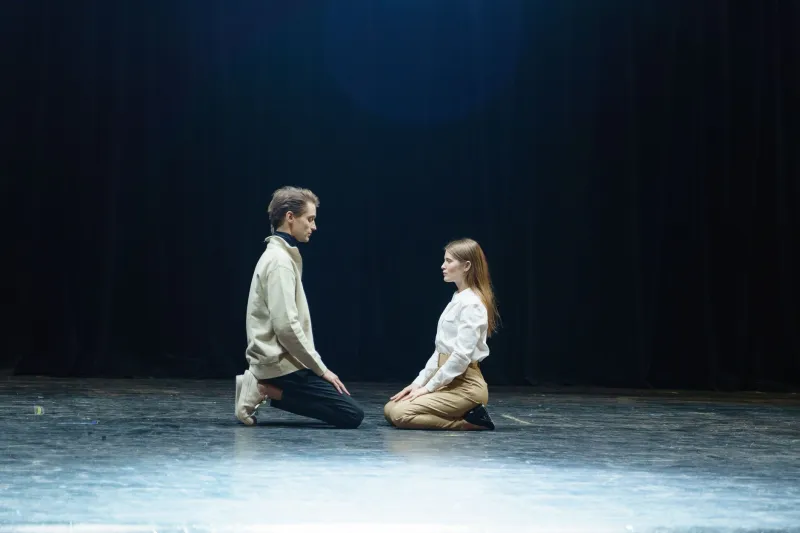
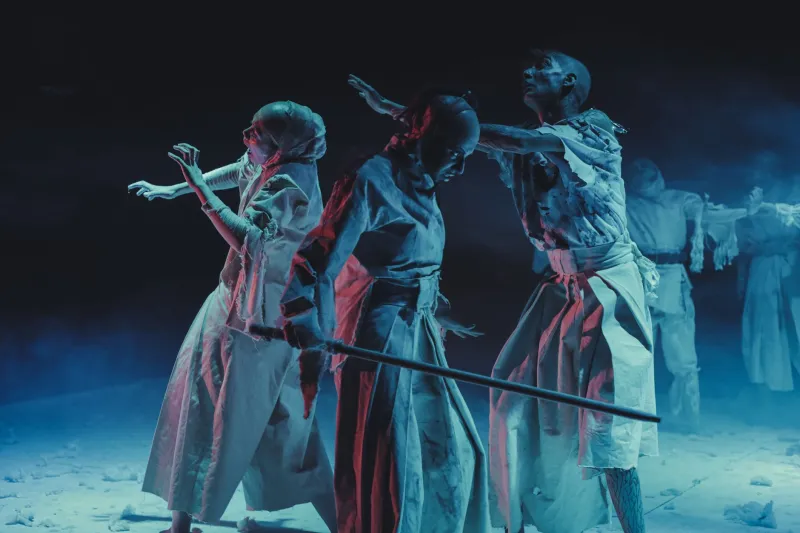
"We stopped asking permission," says one Chicago-based theater director who co-founded a small performance space specifically dedicated to South Slavic storytelling. "We realized the gatekeepers weren't going to suddenly discover us. So we became our own gatekeepers."
From Living Rooms to Legitimate Venues
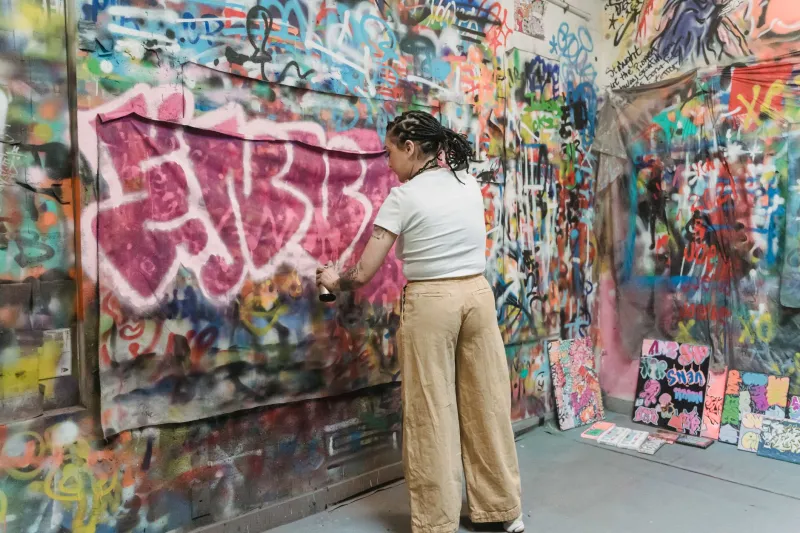
What's remarkable about this movement is how organic it is. A lot of these institutions didn't start as institutions at all. They started as potlucks, reading groups, weekend workshops held in someone's apartment because there was nowhere else to go.
In New York — always a pressure cooker for diaspora creativity — small collectives of Bosnian, Serbian, Croatian, and Macedonian artists have been quietly pooling resources to rent gallery space, self-publish literary journals, and organize film screenings that would never make it onto a mainstream arthouse calendar. In Los Angeles, a Bosnian-American filmmaker started hosting backyard cinema nights that eventually grew into a full-blown annual festival. In Detroit, a community center that began as a cultural support space for Balkan refugees has evolved into something closer to a full arts organization, hosting everything from traditional music workshops to contemporary visual art shows.
None of these started with major grants or institutional backing. Most of them started with group chats and shared Google Docs and someone willing to put their credit card on the line.
Publishing Their Own Stories
Maybe nowhere is the DIY spirit more visible than in independent publishing. The literary world has a long history of ignoring voices that don't fit neatly into existing market categories, and Balkan-American writers have felt that acutely. So some of them stopped submitting to journals that would never quite understand the reference and started their own.
Small presses and zine collectives run by Balkan Americans have begun popping up in cities like Boston, Seattle, and Minneapolis, putting out work that doesn't have to explain itself to an outside audience. Poetry written half in English, half in Bosnian. Short fiction that assumes you already know what a komšija is. Essays that don't spend three paragraphs contextualizing the Yugoslav wars before getting to the actual point.
The result is writing that feels genuinely free — unencumbered by the exhausting labor of translating your own culture for people who've never thought about it before.
The Economic Reality (And Why It Actually Works)
Here's the thing people sometimes overlook: building your own cultural infrastructure isn't just an act of creative defiance. It's also, increasingly, a viable economic model.
The Balkan-American community in the US is larger and more geographically distributed than most people realize. Estimates put the number of Americans with Balkan heritage in the millions, concentrated in cities like Chicago, St. Louis, Milwaukee, New York, and the greater Detroit area. That's a real audience. An audience that's hungry for content and community that actually reflects their experience.
When you build for that audience directly — rather than trying to translate your work for a hypothetical mainstream consumer — you can actually sustain something. Ticket sales, merchandise, crowdfunding campaigns, Patreon subscribers: the economics are tight, but they're real. And they come without the strings that institutional funding often attaches.
Several of these grassroots organizations have also gotten smart about layering revenue streams. A cultural center might host a traditional music night on Friday, a language class on Saturday morning, and rent the space to a Balkan food pop-up on Sunday. It's resourceful in the way that diaspora communities have always had to be resourceful — and it works.
Reclaiming the Narrative
Beyond the economics, there's something deeper going on here. These spaces aren't just about creating content. They're about deciding who gets to define what Balkan culture means in America.
For too long, that definition has been shaped by outsiders — journalists covering conflict, filmmakers drawn to tragedy, academics studying migration patterns. Those perspectives aren't worthless, but they're incomplete. They miss the humor, the warmth, the stubborn resilience, the absolute chaos of family gatherings, the way music can hold an entire history in three chords.
When Balkan Americans build their own theaters, their own galleries, their own publishing platforms, they're not just creating space for their art. They're asserting the right to be complicated. To be contradictory. To be more than a footnote in someone else's story about Eastern Europe.
What Comes Next
This movement is still young, and it's not without its challenges. Funding is perpetually precarious. Burnout is real when the same ten people are doing everything. And there are genuine tensions within Balkan-American communities themselves — historical grievances and national identities that don't always coexist comfortably under one roof.
But the energy is undeniable. And as these organizations grow, they're starting to connect with each other, sharing resources and audiences across cities, building something that looks less like a collection of isolated projects and more like an actual network.
The mainstream American cultural establishment will eventually notice. It always does, once the work is too good and too visible to ignore. But by then, the Balkan-American creative community won't need the validation. They'll already have built something worth more than an invitation — they'll have built something that's entirely their own.